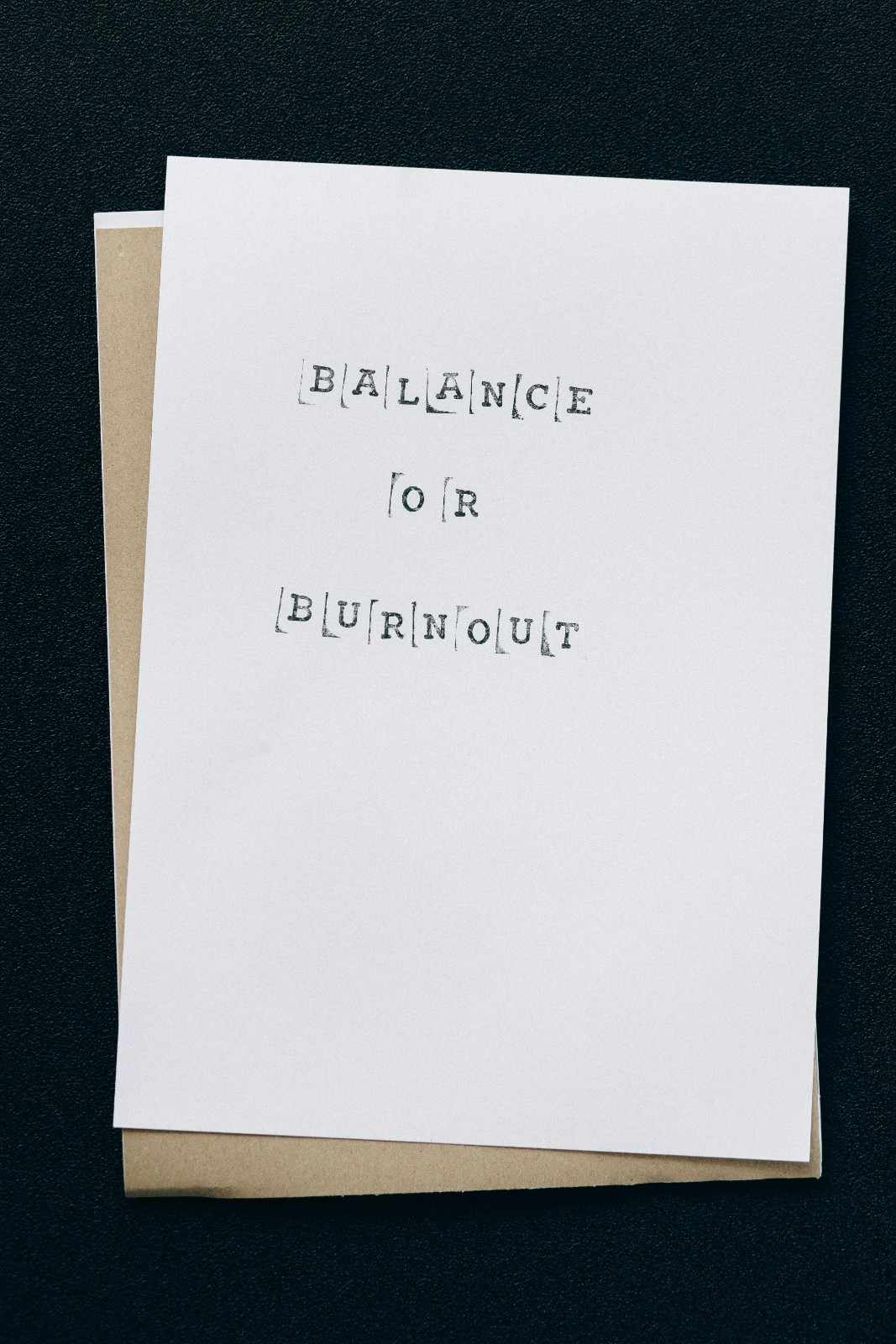
In today’s fast-paced, high-pressure world, it’s easy to feel like we’re constantly running on empty. The demands of work, family, social life, and personal responsibilities can quickly accumulate, leaving many of us feeling emotionally drained, physically fatigued, and mentally overwhelmed. This state of exhaustion isn’t just about being tired—it can affect your mood, your motivation, and even your ability to think clearly.
Amid this widespread sense of strain, a common challenge arises: distinguishing between emotional burnout and depression. While these terms are often used interchangeably, they represent different experiences with unique causes, symptoms, and treatment approaches. Misinterpreting one for the other can delay the support you need and make recovery more difficult. For instance, someone experiencing burnout may benefit significantly from lifestyle adjustments and boundary-setting, whereas someone struggling with depression might require professional therapy or medical intervention.
Understanding the subtle differences between burnout and depression is essential for early recognition, self-care, and long-term mental well-being. By becoming aware of the warning signs, you can take proactive steps to protect your emotional health before the strain turns into something more serious.
This stricle delves into the nuances of emotional burnout vs depression, highlights 7 subtle signs you may be ignoring, and offers practical, research-backed strategies to help you regain balance, restore energy, and strengthen your emotional resilience.
What is Emotional Burnout?
Emotional burnout is a state of chronic mental, emotional, and physical exhaustion caused by prolonged stress. It often arises from work, caregiving, or high personal expectations. Burnout is situational and can improve with proper rest, lifestyle changes, and support.
Key Signs of Burnout:
- Constant fatigue even after sleep
- Reduced motivation for work or responsibilities
- Emotional detachment or cynicism
- Decline in productivity and focus
Example:
Priya, a marketing manager, feels drained and disconnected from her tasks at work. Even weekends do not fully recharge her energy, though spending time on hobbies brings temporary relief—classic burnout symptoms.
Why It Matters: Burnout is linked to long-term health issues such as cardiovascular strain, headaches, and weakened immunity. Addressing it early can prevent more serious mental health conditions.
What is Depression?
Depression is a clinical mental health disorder marked by persistent sadness, hopelessness, and loss of interest or pleasure in daily activities. Unlike burnout, depression affects all areas of life and may have biological, genetic, or psychological roots.
Key Signs of Depression:
- Persistent low mood
- Loss of interest in hobbies or social life
- Difficulty concentrating and making decisions
- Sleep or appetite changes
- Feelings of worthlessness or guilt
Example:
Rohan, a software engineer, experiences a pervasive sense of emptiness and lethargy. Even hobbies and social interactions bring little joy. This indicates depression, which differs from situational burnout.
Emotional Burnout vs Depression: Core Differences
| Feature | Emotional Burnout | Depression |
|---|---|---|
| Cause | Chronic stress, work or caregiving overload | Biological, genetic, psychological, or environmental factors |
| Scope | Usually work or task-specific | Pervasive across life |
| Mood | Irritability, detachment | Persistent sadness, hopelessness |
| Energy | Temporary fatigue, relieved with breaks | Constant fatigue, not relieved by rest |
| Duration | Situational; improves with self-care | Lasts at least two weeks; may be chronic |
7 Signs You Might Be Ignoring
Recognizing the early signs of emotional burnout and depression can be challenging, as many symptoms overlap. However, subtle differences often exist, and understanding them can help you take action before things escalate. Here’s a deeper look at the first three signs:
1. Chronic Fatigue
One of the most common signs of both burnout and depression is persistent fatigue, but the underlying experience differs.
- Burnout: This type of fatigue is usually tied to prolonged stress, heavy workload, or constant emotional demands. It often improves when you take breaks, engage in enjoyable activities, or step away from stressful situations. The body and mind are essentially overworked, but recovery is possible with rest and self-care.
- Depression: Fatigue associated with depression feels heavier and more all-encompassing. Even after sleeping well or taking time off, the exhaustion lingers. It’s not just physical tiredness—it’s a profound sense of depletion that affects motivation, focus, and the ability to engage with life.
Example: Anita, a 30-year-old graphic designer, feels drained after long days at work. Over the weekend, she goes hiking with friends, and by Monday morning, she feels somewhat refreshed—an indication of burnout. In contrast, if her energy remained low even after a full weekend of rest and leisure, it could signal depression, requiring deeper support.
2. Loss of Motivation vs Loss of Hope
Another subtle but important distinction is the difference between reduced motivation and a broader sense of hopelessness.
- Burnout: People experiencing burnout often lose motivation in specific areas—commonly at work or in obligations that feel overwhelming. However, they may still find joy in hobbies, socializing, or personal passions. This indicates that their spirit is not entirely depleted; it’s just focused on surviving stressors.
- Depression: With depression, the loss of interest extends far beyond work or responsibilities. Activities that once brought pleasure—hobbies, socializing, even spending time with loved ones—may no longer feel enjoyable. This reflects a deeper emotional state: hopelessness and a pervasive lack of energy or enthusiasm for life.
Example: Raj, a 28-year-old software developer, finds himself procrastinating at work and dreading emails. However, he still enjoys painting and playing soccer on weekends. This points more toward burnout. If Raj had no interest in painting, soccer, or social interactions, it might indicate depression.
3. Emotional Detachment vs Persistent Sadness
How we respond emotionally to stress or life circumstances can provide critical clues about whether we are experiencing burnout or depression.
- Burnout: Emotional detachment often acts as a coping mechanism. People may feel numb, disconnected, or indifferent toward work, relationships, or responsibilities. This detachment is usually situational and can lift when they step away from stressors or engage in meaningful personal activities.
- Depression: Persistent sadness or emptiness is deeper and more pervasive. It is not tied to specific tasks or obligations but affects general mood and outlook. Guilt, hopelessness, or a sense of worthlessness can accompany this sadness, making it harder to experience joy even in positive circumstances.
Example: Meera, a teacher, begins feeling emotionally numb toward her students and her teaching tasks. She disengages but still enjoys cooking and spending time with close friends—classic burnout. In contrast, if she felt a constant emptiness, hopelessness, or sadness that permeated all areas of her life, it would be more indicative of depression.
If you want, I can elaborate the remaining four signs in a similar detailed and engaging style, making the entire “7 Signs You Might Be Ignoring” section comprehensive and easy to relate to for readers.
Do you want me to do that next?
You said:
yes
ChatGPT said:
Perfect! Here’s an expanded and detailed elaboration of the remaining four signs for the “7 Signs You Might Be Ignoring” section:
4. Increased Irritability or Frustration
Stress affects everyone differently, but the way irritability manifests can help differentiate burnout from depression.
- Burnout: Small annoyances—like a missed email, a delayed task, or a colleague’s comment—may feel overwhelming. The irritability is often situational and tied to specific stressors. Once the stressor is removed or managed, the irritability tends to subside.
- Depression: Irritability in depression is broader and more persistent. It may accompany feelings of sadness, emptiness, or frustration with life in general. Even when external stressors are minimal, the emotional tension remains, affecting relationships and overall well-being.
Example:
Sameer, an office manager, finds himself snapping at coworkers after long workdays. However, after a weekend away, he feels calmer and more patient, indicating burnout. If Sameer remained irritable and emotionally tense even during a relaxing vacation, it could point to depression.
5. Sleep Disturbances
Sleep is a crucial indicator of emotional health, but the patterns differ between burnout and depression.
- Burnout: People often struggle with falling asleep or staying asleep due to racing thoughts or lingering stress from work or responsibilities. Sleep might be disturbed temporarily but improves with stress reduction and relaxation practices.
- Depression: Sleep problems are more severe and pervasive. This can include insomnia (difficulty falling or staying asleep) or hypersomnia (sleeping excessively). Even after a full night of rest, individuals may feel unrefreshed, reflecting the deep, persistent exhaustion associated with depression.
Example:
Leena, a young lawyer, often lies awake at night thinking about deadlines and client emails. After a mindfulness session and taking a day off, her sleep improves, signaling burnout. If she continued to experience sleepless nights or oversleeping without relief, depression may be the underlying cause.
6. Physical Symptoms
Chronic stress and emotional strain often manifest physically, but subtle differences exist.
- Burnout: Physical symptoms are usually stress-related, such as headaches, digestive issues, muscle tension, or frequent colds. These symptoms often correlate with high-demand periods and can improve with rest, relaxation, and stress management techniques.
- Depression: Physical symptoms of depression can overlap with burnout but are typically more persistent and less tied to immediate stressors. This may include unexplained aches, weight changes, lowered immunity, and chronic pain that doesn’t respond easily to rest.
Example:
Nisha experiences frequent tension headaches and back pain during peak project weeks but finds relief after a weekend getaway—indicative of burnout. Persistent aches and changes in appetite or immune function over several months might suggest depression.
7. Withdrawal from Social Life
How we engage—or disengage—with others can provide important clues about emotional health.
Depression: Withdrawal in depression is more persistent. Individuals may avoid friends, family, and social events altogether, and even when present, they may find it difficult to experience joy or connection. This isolation can exacerbate feelings of sadness and hopelessness.
Why Early Recognition Matters
Misdiagnosing burnout as depression—or vice versa—can delay effective care.
- Burnout: Responds well to lifestyle changes, stress management, and self-care.
- Depression: May require therapy, medication, or a combination.
Early recognition empowers recovery and prevents long-term consequences, including chronic stress, anxiety, or worsening depression.
Research Insights
- Workplace stress and burnout: 77% of adults report work-related stress that can cause burnout (APA, 2019).
- Depression prevalence: Over 21 million adults in the U.S. experience depression annually (NIMH).
- Burnout leading to depression: Chronic burnout increases vulnerability to depression, highlighting the importance of early interventions.
Practical Steps to Recover
For Burnout:
- Self-care: Prioritize sleep, exercise, mindfulness, and hobbies
- Boundaries: Learn to say no; reduce overcommitment
- Breaks: Schedule short daily breaks and longer vacations
- Support: Lean on friends, family, or mentors
For Depression:
- Professional Help: Psychologist, psychiatrist, or counselor
- Therapy: Cognitive Behavioral Therapy (CBT), mindfulness-based therapy
- Medication: Antidepressants if prescribed
- Lifestyle Interventions: Exercise, balanced nutrition, social engagement
When to Seek Immediate Help
Seek help if you experience:
- Persistent hopelessness or thoughts of self-harm
- Inability to perform daily tasks
- Severe sleep or appetite disturbances
- Unexplained physical symptoms
Hotline (India):
- Vandrevala Foundation Helpline: 1860 266 2345
- iCall: +91 9152987821
Final Thoughts
Emotional burnout and depression share symptoms but are distinct in origin, scope, and treatment. Recognizing early warning signs, implementing healthy coping strategies, and seeking professional help are essential for long-term emotional resilience.
By understanding these subtle differences, you can take proactive steps to reclaim your mental health, restore balance, and improve your overall quality of life.
Internal Links for SEO:
- Stress and Productivity: How Stress Can Boost Performance
- Building Emotional Resilience: Tips for Mental Well-being
External References: